indifference
Other forms: indifferences
Indifference is the trait of lacking interest or enthusiasm in things. When you feel indifference for something, you neither like it nor dislike it.
If you are a person who feels a lot of indifference, you probably say "eh," a lot. You just don't care much. Indifference can be compared to apathy, which means "lack of concern," though apathy is a little stronger: Apathy means you don't care whether your friends call you; indifference means you don't care what movie you end up seeing — you don't have a strong preference for any of the choices.
-
the trait of remaining calm and seeming not to care; a casual lack of concernsynonyms: nonchalance, unconcerntype of:carefreenessthe trait of being without worry or responsibility
-
the trait of lacking enthusiasm for or interest in things generallysynonyms: apathy, numbness, spiritlessness
-
unbiased impartial unconcerntypes:type of:unconcerna feeling of lack of concern
-
apathy demonstrated by an absence of emotional reactionssynonyms: emotionlessness, impassiveness, impassivity, phlegm, stolidity, unemotionalitytype of:apathyan absence of emotion or enthusiasm
- MLA
- APA
- Chicago
Vocabulary lists containing indifference
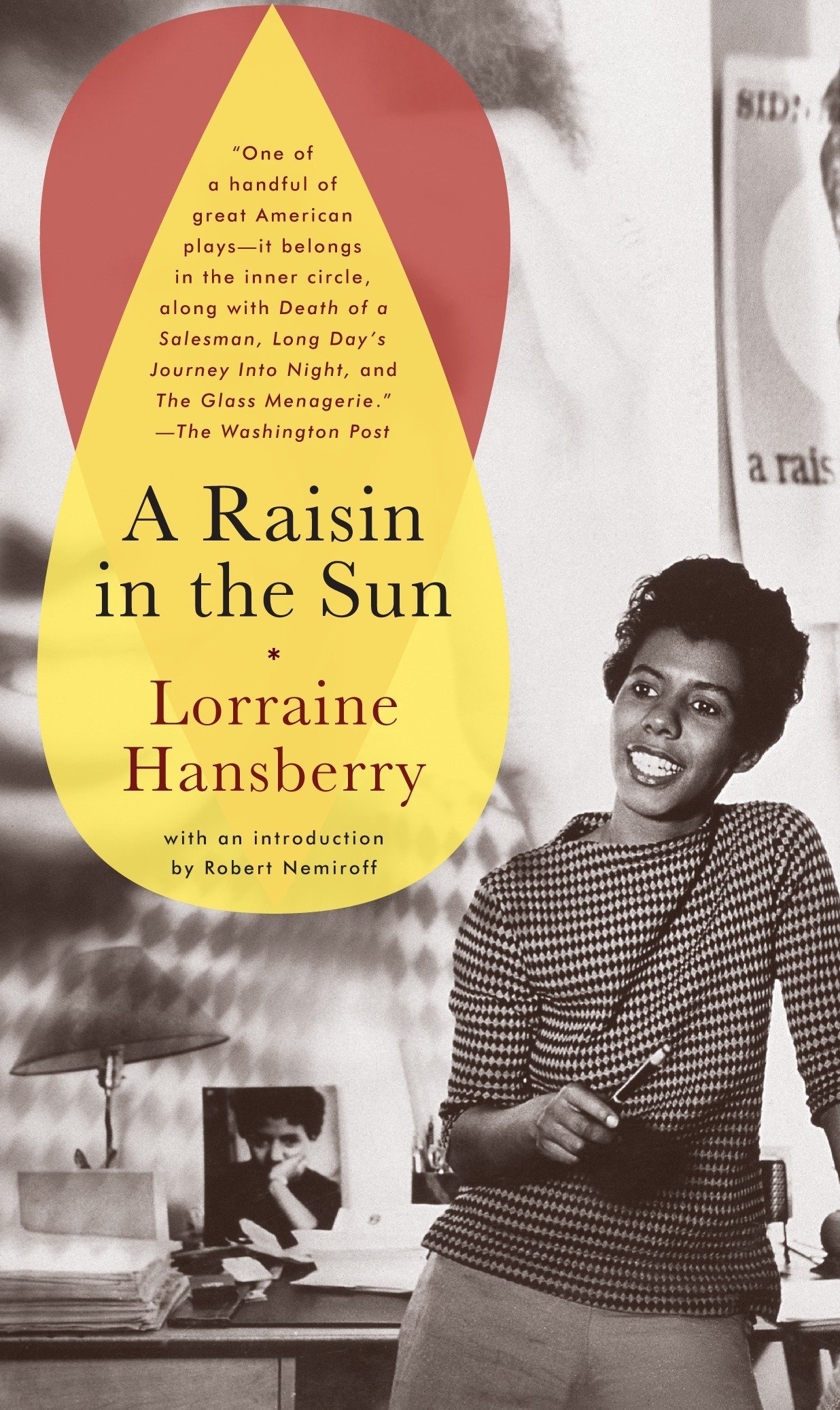
In the 1940s, a working class African-American family in Chicago must decide how to best spend a ten-thousand dollar insurance payout.
As part of the Millennium Lecture series at the White House, Elie Wiesel defined indifference (etext found here) to an audience he knew had the power to recognize and prevent its dangers. Here are links to our lists for other texts by the Holocaust survivor and Nobel Laureate: Hope, Despair and Memory, Night

The musical Hamilton is a phenomenon. Combining the techniques and beats of rap with the biography of the Founding Father on the ten-dollar bill, Hamilton has taken Broadway by storm and is a Pulitzer Prize winner for Drama.